
The Question That Defines Faith
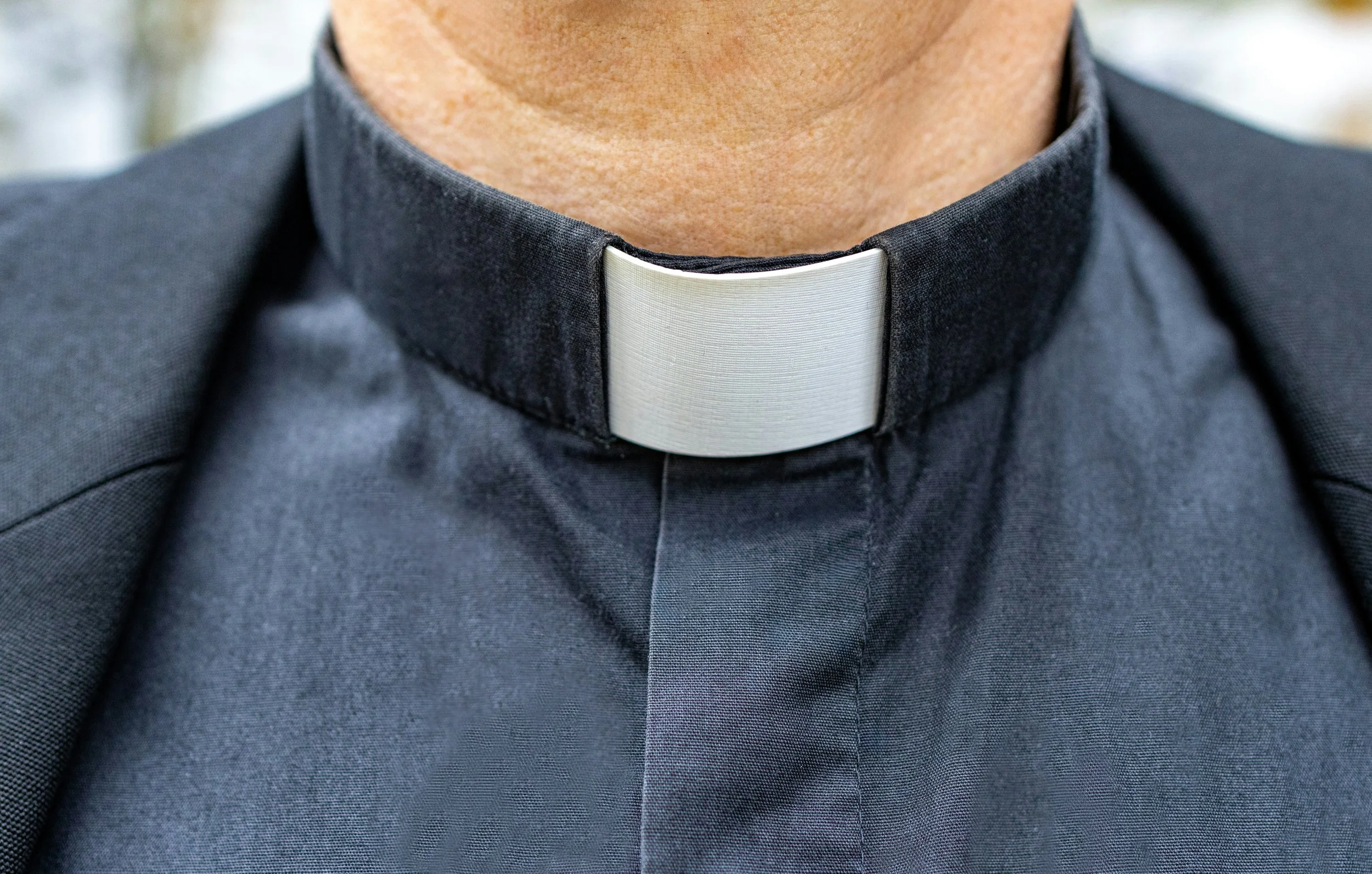
“Who do people say the Son of Man is?” And “Who do you say I am?” (Matthew 16:13–20)
How do you recognize Christ in the priest? Or, have you ever truly gotten to know the man behind the “White Collar,” the individual commonly addressed as ‘Father’? When Jesus asked His disciples, “Who do people say the Son of Man is?”, He wasn’t just polling public opinion. He was inviting His disciples to reflect on their personal understanding of His identity, beyond hearsay. He wanted to see the variety of public opinions and to challenge His followers to declare His true identity.
This question marked a shift from external perceptions to intimate spiritual revelation. Saint Peter’s response, “You are the Messiah, the Son of the living God,” was not just correct, but divinely inspired. Jesus’ second question (Matthew 16:15), “Who do you say I am?” calls believers to move from public perception to personal faith. Misunderstanding Jesus' identity risks missing the heart of His message, which is: love for God, love for others, and a humble, compassionate relationship within the parish community.
Your pastors, though imperfect, are chosen by Christ to be “Alter Christus,” meaning “Another Christ.” As Jesus Himself said in John 15:16, “I chose you; you did not choose me,” underscores that His choice of discipleship flows from divine grace, not human choice. It is by the Holy Spirit’s grace that priests are inspired and called to serve the community.
The relationship between parishioners and priests in the Catholic Church should also be seen as divinely inspired. Public opinion of your priest may differ from your personal experience of his humor, homilies, leadership style, or reputation. But your personal encounters through confession or spiritual guidance may reveal deeper insights into his vocation and character, beyond the white Roman Collar he wears, sometimes playfully called the “Dog Collar.”
Knowing your priests is similar to Saint Peter’s recognition of Christ; it demands spiritual discernment, not mere hearsay. Jesus’ questions mark a shift from hearsay to a deeper, pastoral understanding of the priest-parishioner relationship. Such insightful knowledge can transform how the faithful relate to the one they simply call 'Father.’ Getting to know your priests unveils their humanity, unique gifts, and spiritual depth, which are often as misunderstood as Jesus’ title 'Son of Man.'
Jesus didn’t reveal Himself to the crowd the same way He did to His closest friends. Priests are similar; they often open up to parishioners who take a spiritual interest in them. That’s when people stop asking 'What do others say about him?' and start asking 'What does he mean to me in my walk with God?’ This can help parishioners look beyond the title “Father” and see the Alter Christus in their priests.
Here is a poem by a French priest, Jean Baptiste Lacordaire, meant to illustrate the sacrificial beauty of priestly life. A Priest by Lacordaire:
To live in the midst of the world without wishing its pleasures;
To be a member of each family, yet belonging to none;
To share all suffering; to penetrate all secrets;
To heal all wounds; to go from men to God and offer Him their prayers;
To return from God to men to bring pardon and hope;
To have a heart of fire for Charity, and a heart of bronze for Chastity,
To teach and to pardon, console and bless always.
My God, what a life! And it is yours, O priest of Jesus Christ.
If Jesus were to ask you today, “Who do you say I am?”, could your answer reflect the Christ you recognize in your priest? So next time you hear a homily or share a joke or conversation with your priest, ask not just “Who is he?” but “How is Christ speaking through him to me?” When parishioners begin to see priests as servant-leaders and fellow pilgrims of hope, not just from the pulpit or through hearsay, the Church becomes a home for a joyful, living family of faith.
Remain Blessed
Father Matther A. Cole, SMA
Parochial Vicar